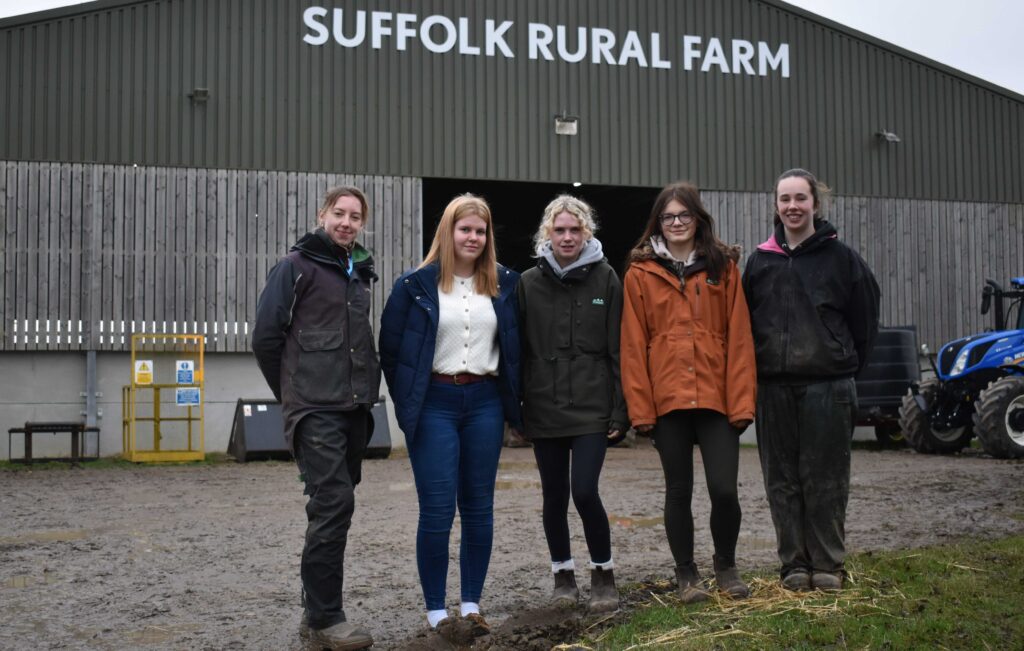
According to a government report issued by the Department for Environment, Food and Rural Affairs (DEFRA) in June 2025, ‘16% of principal farmers and holders were female, a figure largely unchanged over the last five years’. But a college in Suffolk has consistently tried to challenge those figures by supporting more and more females on their agricultural courses, as well as employing more female staff. In 2004, there was a total of five farming students at the college. In 2025/26, the college supports 115, with just under 40% made up of female students. And the rise is due to a number of different factors, according to those at the college. Here we talk to a number of students and staff to get their views on this monumental shift.
One of their current crop of female farmers at Suffolk Rural College is Molly-Mae Reed, 17, from Bedfield.
Molly is on a level 3 course in agriculture. She said: “My parents have always been interested in farming and have a smallholding, so I’ve grown up with it. My great-grandfather was also a farmer.
“I think there is less stigma for women today, and it seems more equal.
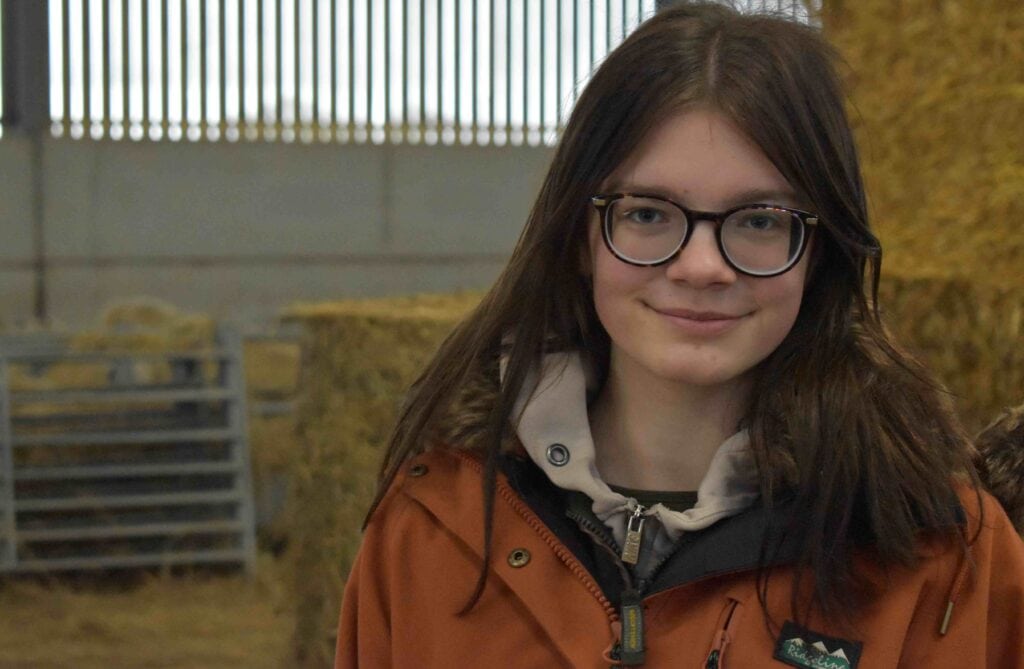
“I’ve never experienced anything negative (in terms of being a female). My message to other young girls is I think they should go for it, if they want to do it (farming).”
Daisy Day, 17, from Eye in Suffolk, is on the same course as Molly – but unlike Molly, she doesn’t come from a farming background. Daisy said: “I used to live in Essex and then moved to the countryside, and since then, I’ve got really involved in agriculture through friends.
“I like the fact that there are so many different pathways – you can go into marketing, sales or general farm work.
“The industry seems more open to females working on farms than it used to be.
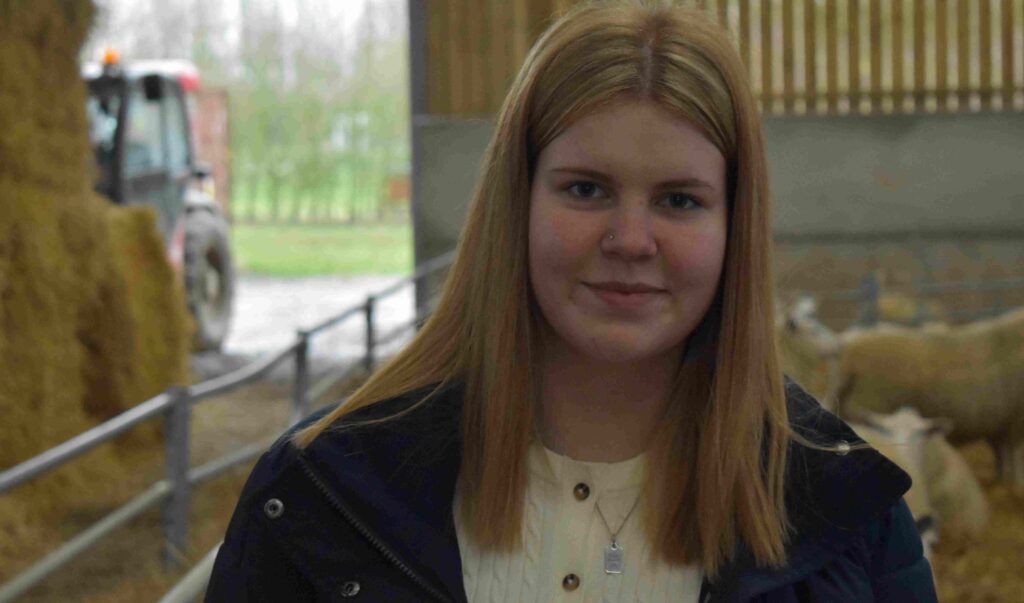
“My message to other young girls is that the farming industry needs more people. So – get involved.”
Daisy thinks that more female role models are helping to open the industry up. She continued: “I like Harriet of Clarkson’s Farm – and there are more people on Instagram and TikTok, and that is having an impact – if you can see it, you can be it, so they say.”
Ellie Davies, 17, from Hoxne, is also on a level 3 agriculture course. Ellie does come from a semi-farming background. She said, “I lived on a farm when I was younger. My parents are outdoors people. I don’t have a background in farming – but I’ve been around it most of my life.
“Farming seems to have risen in popularity – it’s more televised, and you have people on social media. It’s publicised more, and Clarkson’s Farm is entertaining and factual.
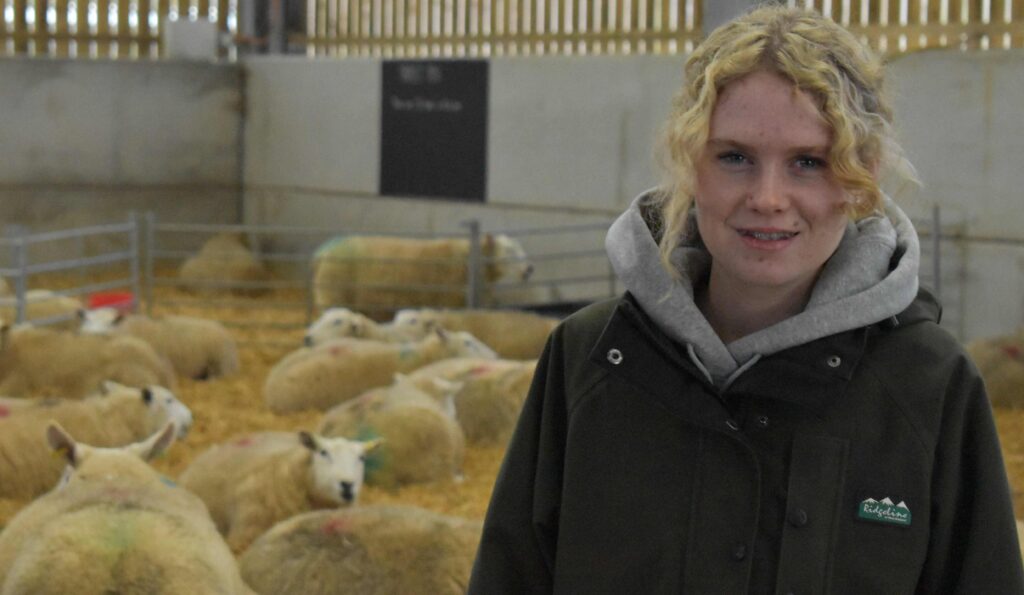
“I think more females are in farming as times have changed, and you are free to do what you want to do.”
In 2022, the college embarked upon a schools programme where female farm students went to local schools to promote the industry to young girls.
On asked if they would be keen to do this in the future, the trio of students all said ‘yes’ in unison.
The rise in female students has also been replicated in terms of female staff on the Suffolk Rural farm.
Three of the main key roles are overseen by females. Sophia Sparkes is an agricultural technician. Sophia said: “My original plan was to go to university to become a genetics consultant at a hospital – but someone from the college came into my school and asked me if I ever thought about doing the same thing with animals – they advised me to get work experience on a farm – so I did, and I’ve never looked back.
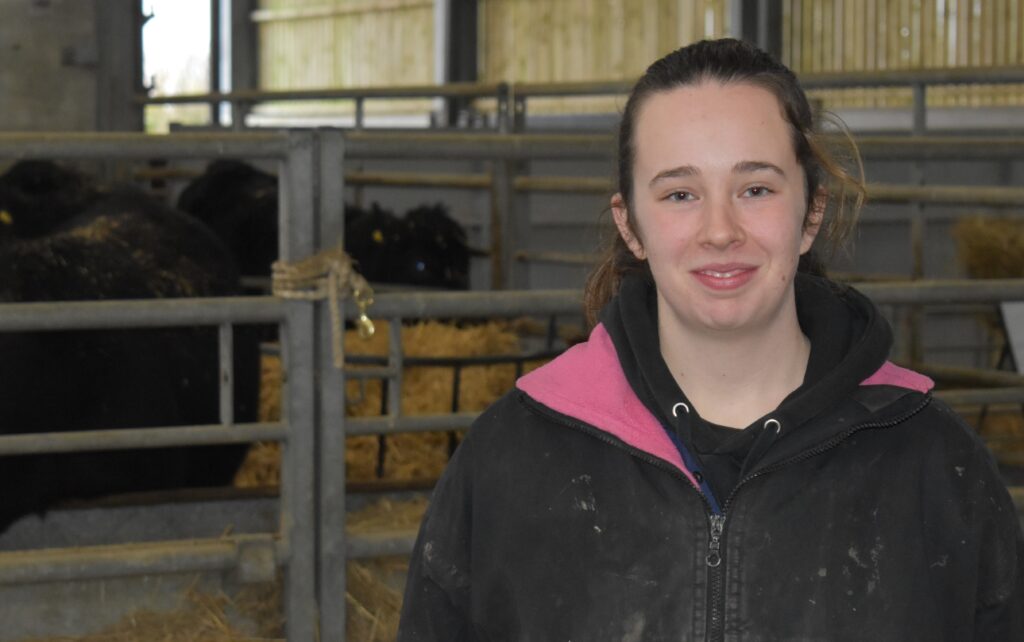
“I love the outdoors – the animals and the whole farming industry are just such a community.
“My message to young girls is – if you love it and you have a passion for it – you should go for it – there will be nothing stopping you and you should absolutely do it.”
Enya Pearson is an agricultural instructor at Suffolk Rural. Enya said: “I started at 16 working as a groom – then someone put me on a tractor – harrowing the school – and I preferred that to the horses.
“None of my family was in farming, so I’m the first generation. I’m very much an advocate for inclusivity, and I believe anyone can have a go at farming – as long as you have passion and drive.
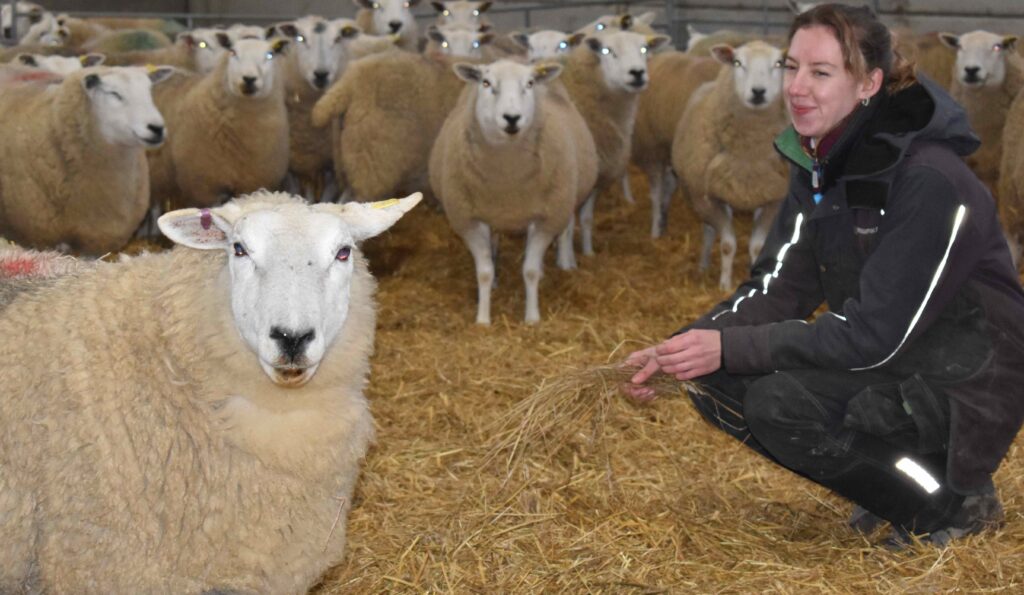
“I think the rise in social media of women working in farming – and farmer daughters are coming through is having a positive impact.”
Abbie Morris is the head of land-based studies at Suffolk Rural College. Abbie said: “There is a real diversification, particularly on the environmental side.
“I’d like to credit the NFU as they are good at encouraging people and opening up the industry to anyone and everyone.
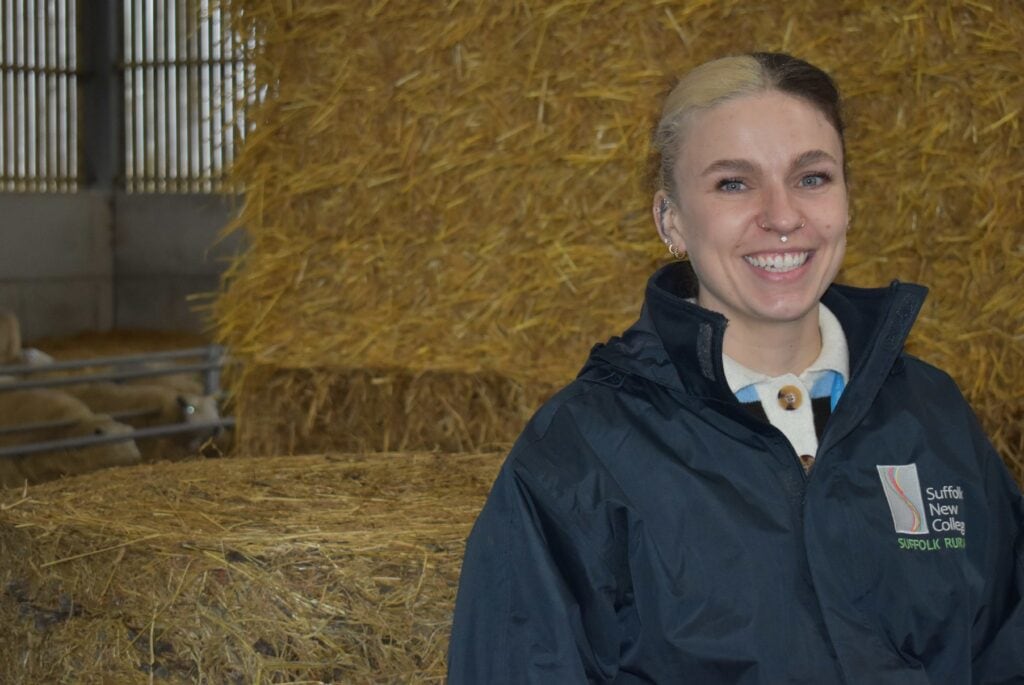
“There is also a well-being side to the industry that is drawing different people to us. Being outside being surrounded by animals, is good for your mental health, and more schools have outdoor forest areas where youngsters can learn about nature.
“I really believe going outside can build your resilience and we at Suffolk Rural are delighted to be flying the flag for females in farming – but truth is – whoever you are – if you have a passion for agriculture, we’d love to talk to you.”